Many will know how Pastoral Supervision provides a confidential context for support and restoration.
More recently, I have been encouraging supervisees to develop some “learning goals” to discuss and work through in their supervision sessions. These learning goals are identified and set by the supervisee. The supervision sessions can then focus on the supervisee working toward and implementing their goals.
We should note these goals are not ‘strategic’ in the normal sense of the word (achieve X or Y in their church – that’s the domain of coaching). These goals are personal to the supervisee, and typically relate to how they do their work and ministry. These ‘learning goals’ might explore
Contexts the supervisee might tend to avoid, with a view to working more effectively
How the supervisee might better listen effectively and attend to parishioner needs
How improve workload/time management and avoid ‘schedule creep’
How they can better work within, relate to, or lead their team
Pulling out of ‘autopilot’ and working more effectively on what matters most
Develop reflective practice, taking time to rest in the Word, and/or notice more how God might be working through their ministry
Learning Goals like the above show the formative function of Pastoral Supervision.
Goals like these can help a pastor bring better ministry and work toward better Gospel outcomes.
Now is the time to get your Supervision organised for 2026.
DM me with any questions and/or to make arrangements for 2026. Sessions can be arranged face to face or online.
At a time when we’re all spending so much time on screens, and we’re more time poor than ever before, it seems a bit if a stretch to ask people to consider setting aside more time to write – longhand – in a journal. So, why start journalling?
Why Journal?
Answer: Journalling will slow you down. It will force you to put some structure into your thoughts and expression into your feelings. That’s a really good thing. As you write, you let yourself to settle more deeply into your thoughts and feelings on a whole range of things.
Most of the time we’re so busy and so over stimulated we find it hard to think at a deeper level and to me more contemplative about the big things in our lives. Australians are now spending more time in front of screens than they do sleeping! This is going to impact our capacity to be mindful about what’s going on around us.
Here’s the thing: even if you journal for 10 or 15 minutes each day – you will start to slow down, and you may find you’re more able to access thoughts and feelings which otherwise might have passed you by. When you journal you start to discover more about yourself.
How to Journal
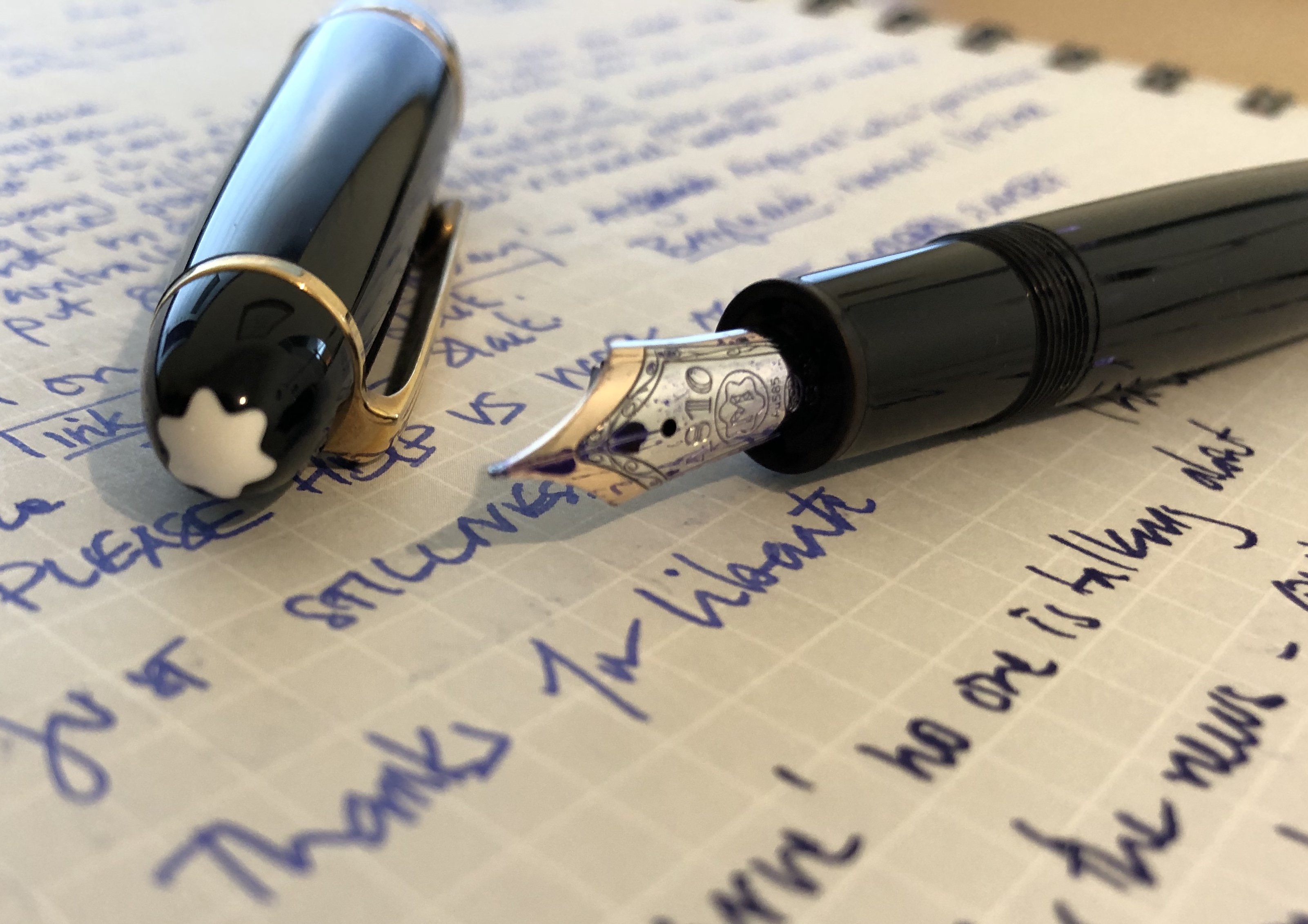
Pen & Notebook. I suggest you don’t journal on a keyboard or screen. I find that when I use a pen and notebook I employ different mental processes as opposed to using a keyboard – there’ll be research on that somewhere, but that’s how it works for me.
Just write. You don’t have to worry about how your writing looks, how bad your spelling or grammar might be. No one’s going to read it – except you – so how it looks doesn’t really matter. It just has to matter to you. Some people like to draw, too, which is fine. That’s not for me – my fine art skills kind of stop at stick figures, so I’ll just use words.
Set aside regular time. If you wait for the ‘right time’ or for when you ‘have time’ to start journaling, you’ll probably never begin. So, be intentional, but start small, e.g. Start with 10 minutes once or twice a week. If you’re a schedule person, get it in your diary. What gets planned gets done. So, try and journal regularly for a month, and you may see yourself developing a really good habit. Try not to be too ambitious, just start with what you think is a good thing. You may just be surprised how much you enjoy the process. You can always adjust your allocated time as you go.
Write as honestly and openly as you can. No need to sugar coat the negatives, or accentuate the positives. Just write what you think and what you feel. If it’s positive, terrific! Celebrate it, and write down what you love about it. If it’s negative or difficult, write about what makes it difficult or hard. Talk about what you don’t like about it.
Journalling like this can be really helpful. You might find it beneficial to re-read what you’ve written a day or two later, to see how the situation or your feelings have changed. It can also be helpful to take some of your thoughts and discuss them with a safe and trusted friend, a counsellor, or therapist
How do I start?
Thanks for asking! Here are some questions to get you going:
How do I feel right now?
What has been bothering/frustrating me the last few days?
What are my thoughts about the last few weeks?
What do I think about my relationship with [insert name/names]?
What am I looking I forward to today / this week / this month?
Thinking about yesterday, what would I have done differently if I had the opportunity?
One thing I’d really like to change in the next month is ………?


 Paraklesis