
Find Clarity in Ministry: Embrace Pastoral Supervision

People in ministry often say they don’t have time to unravel the complex pastoral issues that come their way. There are too many people to visit, too many meetings, there are sermons to plan, ministries to lead, contacts to follow up – and none of these fit neatly into organised blocks in the schedule … it never ends and it never seems to get better.
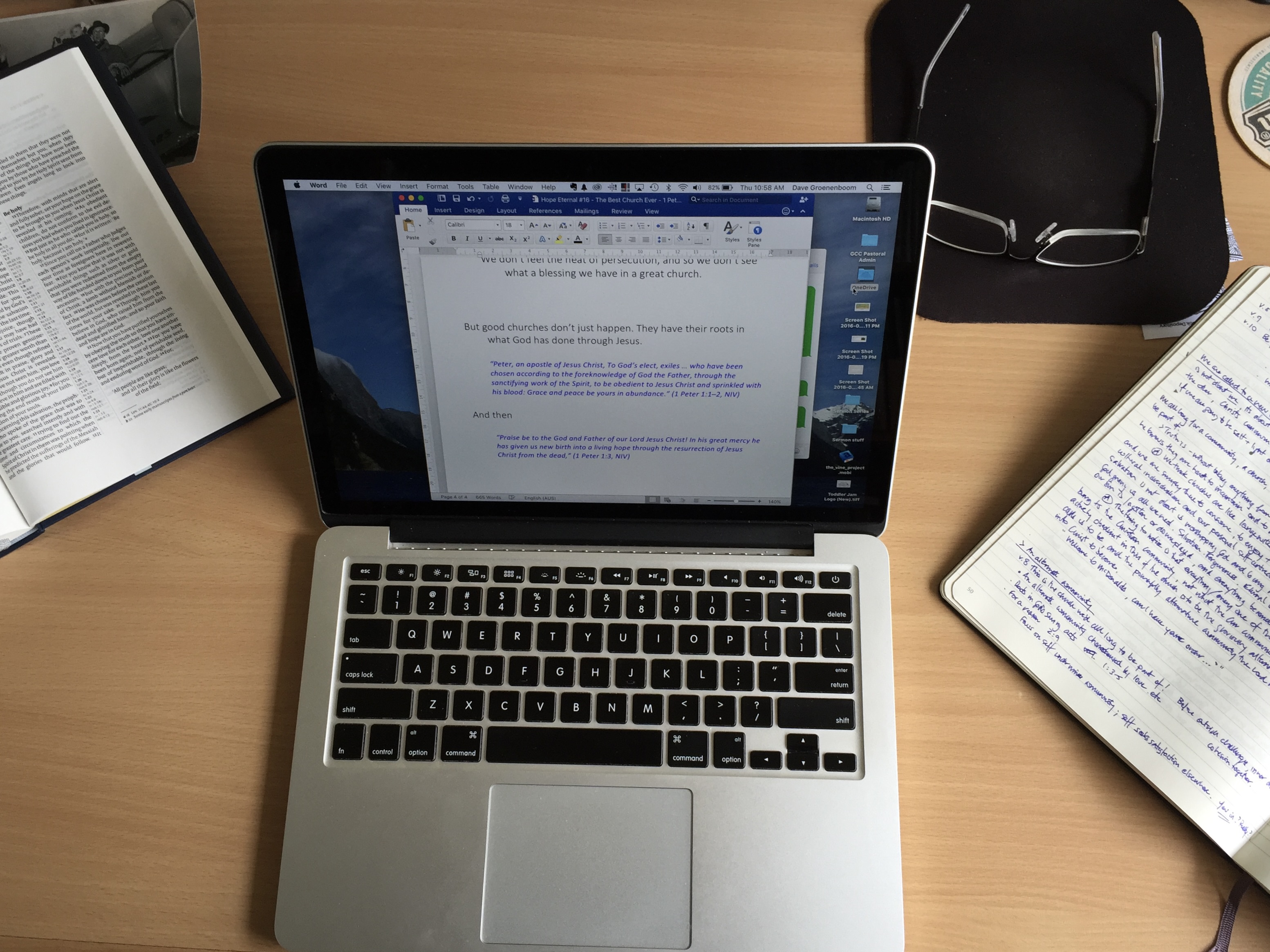
What tends to happen is that because we’re so time poor, when we sense there are complexities bearing down upon us, we’ll often push them out of our immediate awareness by just keeping busy and trying to get it all done.

The stress of all this will often work its way out in some other way: frayed nerves, short temper, irritability, a drink too many, other escapist behaviours …

This is why I love pastoral supervision.

Supervision provides a welcoming and courageous space where pastors can reflect on their work to learn how to do it differently and better.

Supervision is welcoming because it’s an intentional interruption to ministry’s constant demands. As I step into a supervision session, I have permission to pause, to breathe, to relax, and settle into a time of intentional reflection. I will meet with a friend (my supervisor) who comes beside me with an open heart, an accepting attitude, and a non judgemental spirit.

Supervision is courageous because I can wade into whatever is weighing me down as honestly as I can. I will be encouraged to see wider perspectives on the issues and on how I might move forward more effectively. My supervisor will encourage me to see what I really need to know, as opposed to what I merely want to hear. So supervision is a place for me to learn. I will be encouraged to own and address some of the harder lessons I might otherwise avoid. Supervision keeps me honest to myself and to my calling as a minister of the Gospel.

It’s no surprise that some of the most common feedback I receive is that supervision gives greater clarity on complex issues … it to find better ways to move ahead … it open up new perspectives on things that had been significant burdens.

That all sounds pretty positive – but here’s the thing: These are precisely the sort of conversations that pastors rarely have, and yet they are also precisely the sort of conversations they need to have. They bring such value to ministry and pastoral work. They help us bring our ministry practice closer to the theology and values we espouse. They can give new insights into how the Gospel is embodied in ministry – and that can be very transformational!

Where appropriate, I use a redemptive cycle of theological reflection. This method breaks down confusing or complex issues, allowing us to better hear how the Gospel of Jesus speaks to the situation at hand.

I’ll give some detail on the Redemptive Cycle in a future post – but for now, we can all imagine that where pastors can approach their ministry with greater clarity, more insightfully working through Gospel values, they’ll likely be less stressed and working more sustainably. That is a huge win!

Would you like to know more? Email me and we’ll discuss how to take it forward.

Pastor: You Are Not Alone

Pastoral ministry in a local church can be a place of real joy and transformation. It can also have its share of confusion, isolation and on occasions, exhaustion. All this can have real impacts on personal well-being, resilience and ministry effectiveness.

Thankfully, Pastoral Supervision is just the place to talk about it all confidentially and supportively.

Pastoral Supervision is a safe and courageous space to reflect on your ministry, how it might be impacting you and those close to you, and to learn how to do things differently.

That’s why I use the word “paraklesis” – it’s a biblical Greek word which means to call beside, or to come beside another. This is what happens in Supervision: your supervisor will come beside you, help you reflect on how things are going, and help you find clarity amidst all the business and confusion.

Obviously, face to face sessions are wonderful, but technology offers terrific opportunities even when two people cannot be together. I can deliver sessions over Zoom, too, so even if you’re interstate or in a regional area, it’s all workable.

I’m based on the NSW Central Coast, and have 40 years experience in varied local church and organisational contexts, so we’ll likely connect well no matter which context you’re in right now.

‘Like’ this page, and email me if you’d like to explore how this can work for you.

David Groenenboom

Pastoral Supervisor

Paraklesis Ministries

Managing Ministry Creep: Supervision Strategies

Photo by Luis Villasmil on Unsplash

A few weeks ago I had the pleasure of preaching at the installation service of our new pastor. As I prepared for the service, I was reflecting on the tasks any local church pastor might do on a typical week…

…respond to emails, make pastoral calls, address church leadership matters, service planning, sermon prep, connecting with the community, supporting volunteers, keep abreast of what’s happening in the world, train leaders, facilitate discipleship, review ministry programs, meet with a few ministry leaders, Safe Church training, engage new members, connect with visitors, preach a cracker of a sermon, keep learning, keep growing, make sure you take your day off, be a model parent, have a great family, find regular time for prayer and Bible reading…

No doubt, there are a few things I’ve missed, and maybe it’s just me, but ministry seems to be getting more and more demanding. When I was in local church ministry, I found the best way to prepare for Sunday was to have a day and a half of largely uninterrupted time to complete the background exegetical work and to formulate my Sunday message. The problem was getting (and retaining!) that uninterrupted space! The phone keeps ringing. Emails keep arriving. Text messages keep lighting up the phone. And there’s the gloriously noisy Kid’s Ministry just a room or two away…

I’ve started to calling the ever expanding list of pastoral responsibilities ‘ministry creep’. No matter how well planned your schedule is, there are interruptions. No matter how clear your job description is, there are always other things that find their way into your task list. Murphy’s Law: the list of things you have to do always exceeds the time you have allocated to do them. We all know this.

Needless to say, fragmentation and challenges of time management are par for the ministry course. The pressure may not always be intense, but it is constant. It’s hardly surprising, then, that pastors often struggle to stay grounded and keep their head above the waters of schedule and interruption.

Today’s Australian pastor is a hemisphere and two millennia away from the NT Church. Even so, Paul encouraged his younger pastor friend, Timothy, “keep your head in all situations”, “watch your life and doctrine closely”, “train yourself to be godly” (2 Tim 4:5; 1 Tim 4:7, 15-16).

My question is:

How do I do this?

What regular process do I have to keep watch over myself?

How do I train myself to be godly?

And can I even do any of this effectively on my own?

This is where regular pastoral supervision is really important. No doubt, there’s great value in reflecting on your own – we all should do this (and here are some tips to get you started) – but I am never going to have the sort of objectivity I need to really keep myself honest, or to ask myself the hard questions, or even just to probe a bit and notice something that might stand out clearly to another person.

Supervision allows me to step outside of my schedule, to step back from pastoral busyness and ministry creep, and in the caring presence of another, keep watch over myself better. Supervision helps me consider how ministry is impacting my soul, to consider how I can do better in my role, and how I can better engage in my wider ministry context.

Supervision will not make ministry creep go away, but it will more than likely help you approach the demands of your ministry with greater clarity. It will help to take you deeper into your calling, and to be more intentional about the care you bring to the people God has given you.

Ultimately, supervision will bring you back to what matters most: doing ministry better, centring our ministry on honouring Jesus, nurturing his people to maturity, and stimulating his church to embody the Kingdom of God to his world.

When Supervision helps me sort through the clutter and approach my work with greater clarity, it makes sense to make it a priority.


Action steps:

  1. Email me here to discuss how regular supervision can help your ministry.
  2. Speak to your church leadership about making this a regular priority. If you’d like me to connect with your leadership I’d be open to exploring this.
  3. Check out the list of other Supervisors accredited with the Australian Association of Supervisors